As a storyteller, most of her work focuses on the intersections of race, sex, and gender in music, Latinx culture, and Afro-Caribbean identity. Throughout the years, she’s interviewed some of the most prominent Latinx artists in the world including Ivy Queen, Sech, J Balvin, and Ozuna — to name a few — writing for Rolling Stone, Highsnobiety, Teen Vogue, VIBE, Pitchfork, Tidal, Billboard, The Fader and many more.
COVER STORIES , PROFILES, REVIEWS AND FEATURES:


The early 2000s was a golden era for reggaeton. During the infancy of its rise to mainstream recognition, pre-teen Marco Masís would anxiously anticipate school dismissal, excited to sit down at his computer and immerse himself in his newly-discovered addiction: music production. A tune would linger in his head all day, and he couldn’t wait to bring it to life. “When I saw that I could create something from my mind, anything that I wanted, on this software, to create music… it was mind-blowing,” he says. READ MORE – FOR HIGHSNOBIETY, 2021
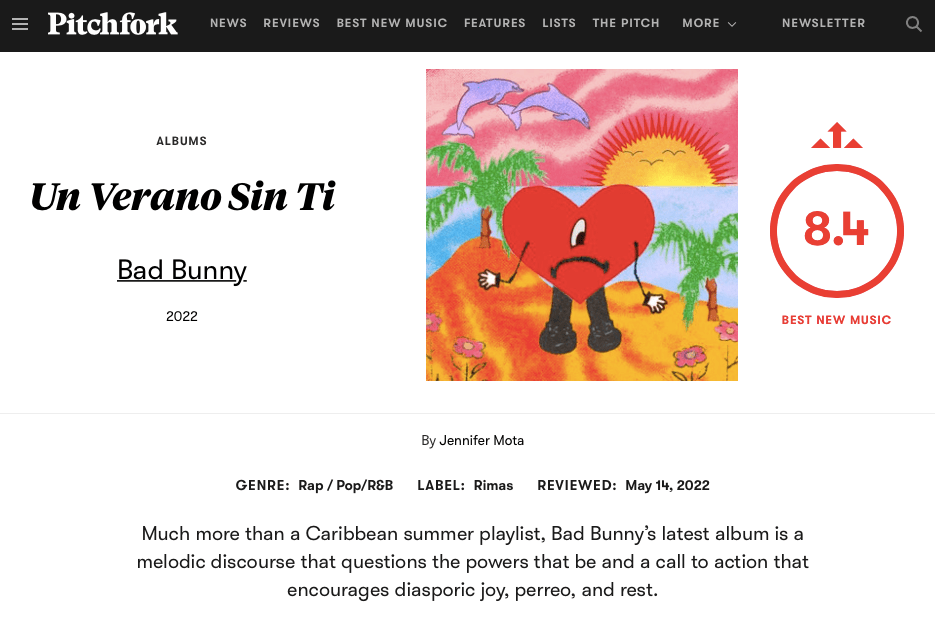
Bad Bunny moves with intention. Quickly after releasing Un Verano Sin Ti, he made stops that reflect two major themes of the album. The first was a cute, intimate celebration at the last Puerto Rican social club remaining in Williamsburg, Brooklyn: the Caribbean Social Club (also known as “Toñita’s” after one of its owners, Maria Antonia Cay). As one of the most regarded Latinx-owned bars to survive the area’s gentrification while also preserving Boricua history, its existence symbolizes resistance. The day after, he appeared in the Bronx to record a music video for one of the album’s highlights, the upbeat hip-hop dembow fusion “Tití Me Preguntó.” Sporting a T-shirt honoring bachata legend Anthony Santos—whose “No Te Puedo Olvidar” is sampled at the beginning of the track—he was seen turning up with Dominican youth, taking part in the street revelery known simply as teteo. This release-week schedule reflects two of Un Verano Sin Ti’s animating forces: Benito’s bori pride and appreciation of Dominican culture. READ MORE – FOR PITCHFORK, 2022

More than two decades ago, in their native city of Carolina, Puerto Rico, Félix Gerardo Ortiz Torres, affectionately known as Zion, met his peer and future artistic collaborator, Gabriel Pizarro, the other half of the powerhouse, Zion & Lennox. Together they began their embark on a music career spanning over 22 years, successfully stamping their legacy in Latin music. READ MORE – FOR BILLBOARD, 2022
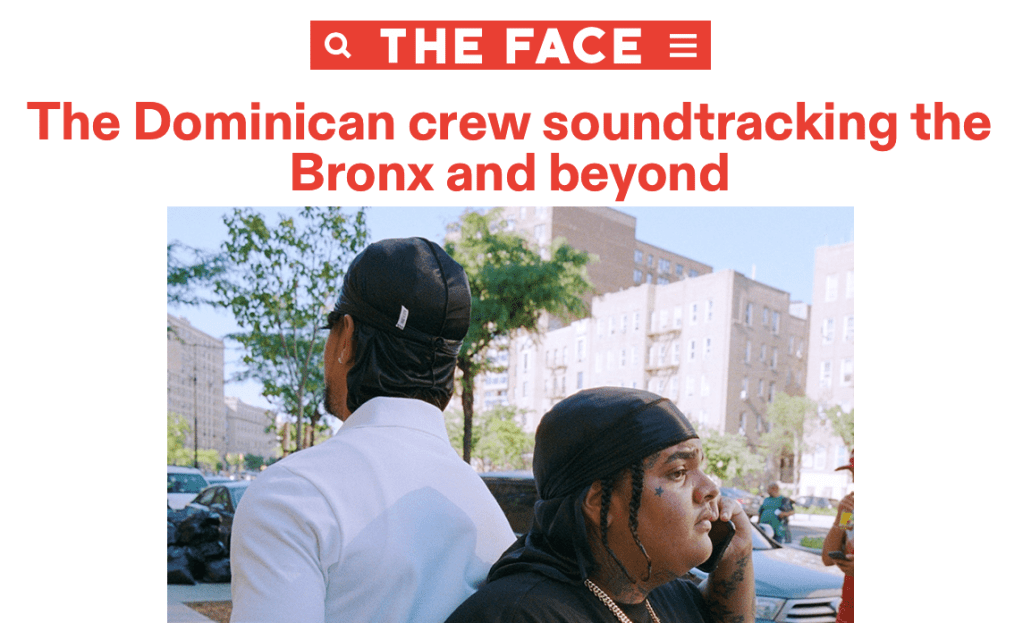
There are three pivotal stages in a rapper’s journey: the moment you become hood- famous, the moment your tracks make it mainstream and – perhaps most gratifying of all – the moment you begin to make it internationally. Bronx-based rappers Chucky73 and Fetti031 experienced all three in less than two years.
Inspired by trap and the Chicago-born drill movement, the Dominican-born Adel Mejia (Chucky73) and Emmanuel Medina (Fetti031) have built a following that transcends both language and borders. Their culturally specific slang, funny-aggressive wordplay and eschewing of the romantic tropes often found in mainstream Latin trap have led their crew7 and label, Sie7etr3 (pronounced “siete tres” or “73” in Spanish), to a rapid rise. READ MORE – FOR THE FACE, 2020


When rappers such as Milka La Mas Dura, Arianna Puello, and Heidy Brown stepped into the hip-hop en español scene, the world had overgone a series of technological advances that through mediums like YouTube, USB drives, and burnt CD’s, were able to deliver music and necessary content for Dominican Republic’s youth. With their witty wordplay, gritty references, and sexual agency, these lyricists would inspire and open doors for women throughout the island and beyond.
However, It would take a decade for women to be seen at a much higher rate in the Dominican rap and dembow movement. Thanks to further advances and the rise of social media, underrepresented and marginalized communities are now seen and heard more frequently without the need for cosigns from industry gatekeepers or the backing of major labels.
In today’s current globalization of music, Dominican women have used music as a tool for cultural identification and resistance for sexual liberation, equality, and the cultural-specific trends embedded in lower-class neighborhoods known as “barrios.” Through these trends, aesthetics, and diasporic sounds women like Tokischa, have caught the world’s attention for her raw and explicit lyrics. READ MORE – FOR TEEN VOGUE, 2021

Ozuna is well aware he stands out, in more ways than one.
Chacho, en Los Backstreet Boys no hay negrito a classmate once told Ozuna. He was prepping for the talent show at the time when his peer pointed out the obvious–there’s no black kid in The Backstreet Boys. Ozuna smoothly replied, “Well there’s a black kid in the group now.” READ MORE – FOR VIBE, 2019

There’s a lot that goes into creating the perfect label: understanding the brand, choosing the right name, look, and aligning with the right artists and music. When we speak of urbano or El Movimiento, there’s one creatively driven duo that encompasses the formation of a label working towards this grandeur: Daniela Morales and Alejandro Ramirez (aka Sky ) of Black Koi Entertainment , a label composed of interdisciplinary tastemakers and artists.
Morales and Sky are on a mission to find fresh voices and the next big stars through their indie label, which also serves as a publisher and creative collective. READ MORE – FOR REMEZCLA, 2021

“Every Dominican house has one.” Chucky73 moves to the side, revealing a warm-toned oil painting of fruit hanging in a gold frame on a wall of his Bronx home. For Dominican immigrants, artwork like this — often featuring a Caribbean landscape, rural homes, or fruit — serves as a delicate reminder of home. Even over Zoom, the painting is majestic. READ MORE – FOR THE FADER, 2021

Rejection hurts. It may affect your self-esteem, navigate future life-changing decisions, and sometimes lead to depression. But, in some, it can also inflict a surge of motivation. When then 12-year-old J.I the Prince of New York didn’t make the basketball team, he was angry and frustrated. Walking home, he decided he would focus on developing a skill that would center the aspiring rapper as the best.
A few years later, already part of the G*Starr team, J.I signed with Geffen Records, releasing his mixtape Hood Life Krisis, Vol. 1 and Hood Life Krisis, Vol. 2 in December of the same year. His hit “Need Me” has gone gold–surpassing 89 million streams. As the standout single from his first mixtape, the track propelled his visibility in the scene. Flipping the JAY-Z classic “Best of Me, Pt. 2,” with Mya, remixing the drums and keys, the changes were essentially inspired by his love of reggae and dancehall. “I remember hearing certain reggae records when I was young, they’ve stayed in my head up until now,” J.I tells Remezcla. READ MORE – FOR REMEZCLA, 2020
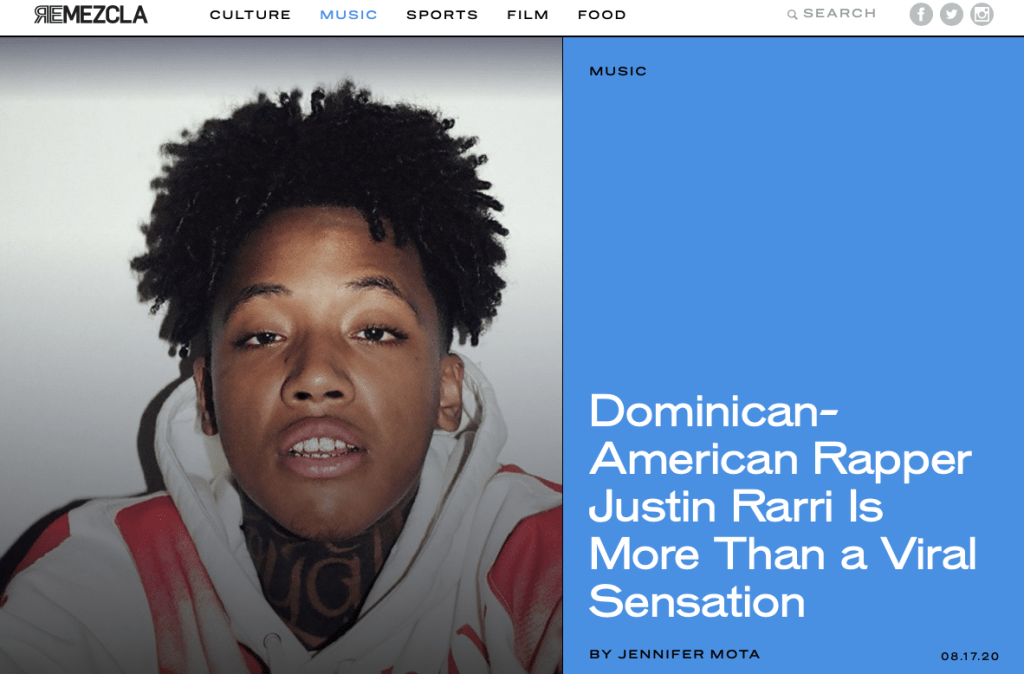
Bicultural togetherness is displayed by artists, who through connections of diasporic, regional and homegrown sounds, have brought people together by merely engaging and embracing their cultural roots. This act is an essential part of the experiences that fall under the Latinx community and society. Bronx born-and-raised rapper Justin Rarri put this in perspective this past April. A video teasing the young Dominican-American rapper’s latest melodic-trap “2 Seater,” sampling bachata legend Luis Vargas 1994 hit “Loco De Amor,” caught the attention of not just the Dominican-American sphere, but Latinx internet entirely.
At just 17, Rarri has already released a debut mixtape (4EVARARRi) whose hit track “W2LEEZY” garnered over 10 million views and was co-signed by the NFL and Los Angeles Lakers following his signing to Interscope in late 2019. So far, he’s amassed over 50 million streams across his catalog and more than 700,00 monthly listeners on Spotify.
The “2 SEATER” snippet presented the intro and sample, which played the Spanish guitar’s sharp strings. The strings later laid under its 808’s, crafting a beat familiar and unique to both cultures. The clip went viral, and the Dominican twitter population had no idea how to act, excitedly demanding a full version. READ MORE – FOR REMEZCLA, 2020
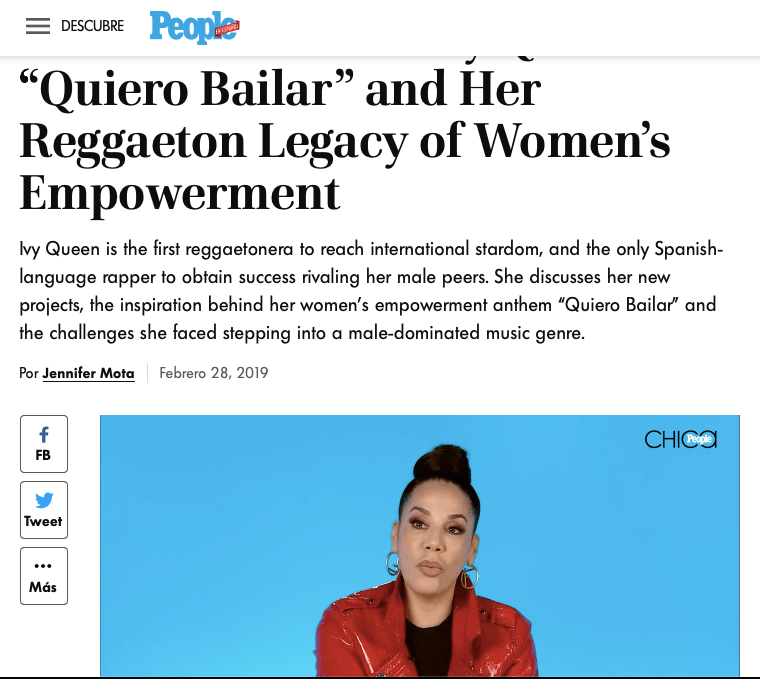
It’s undeniable that women played a crucial part in reggaetón’s success. The risqué themes of the tracks — regulated sexualized hooks or submissive sex-related comments —made many tracks more popular. While it wasn’t the kind of music that Ivy Queen was interested in, others went this route. Jenny La Sexy Voz is the woman behind some of classic reggaetón’s most known hits. Engineering more than 80 hooks for the likes of Wisin y Yandel and Daddy Yankee, among many her voice became a staple to a reggaetón song. READ MORE – FOR PEOPLE CHICA, 2019
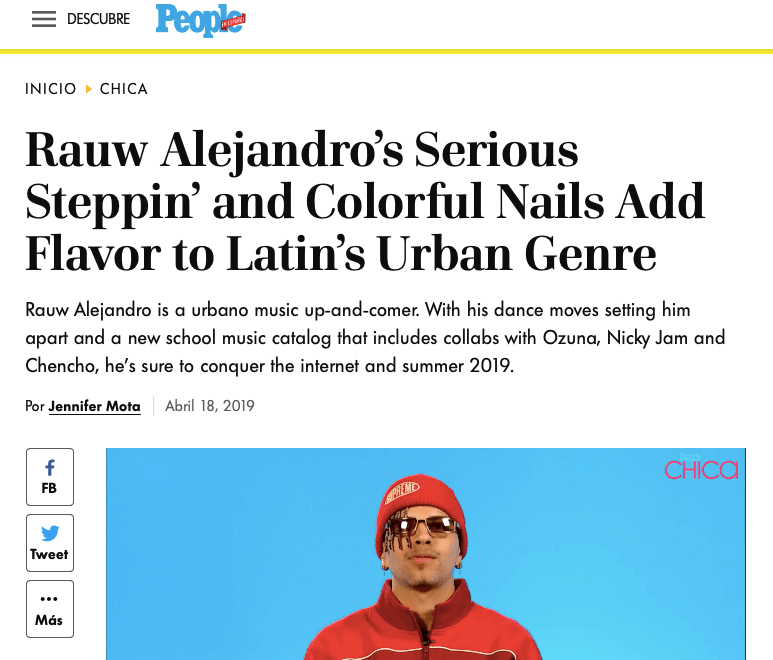
Born Raúl Alejandro Ocasio Ruiz, the 24-year-old from Carolina, Puerto Rico, grew up involved in the performing arts, but the stage kid only began to focus on music four years ago. Dance was his earliest hobby: “I would be dancing in Walmart while my mom shopped, and all of a sudden, she would go missing, and I would cry because I couldn’t find her. The intercom would then go off, ‘Miss Maria, your son is looking for you, he’s lost. And it’s because I would always be dancing. I was always involved with dance.”
This ability to dance undeniably sets him apart from other urban artists, and it’s an identity he carries with pride. “I’m trying to form my own lane. It’s a challenge for me. You have to be dedicated and train so it can come out great.” He grew up with influences like Elvis Presley and Michael Jackson. READ MORE – FOR PEOPLE CHICA, 2019
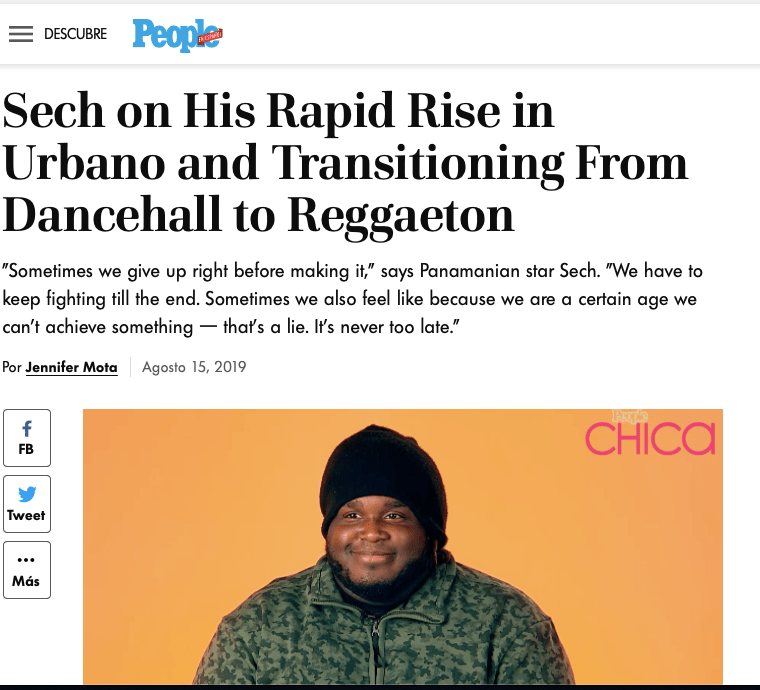
Born Carlos Isaías Morales Williams, the Río Abajo native’s rise to fame may seem like it happened overnight, but his musical knowledge and diligent hard work shaped him into the rising urbano star he is now. He began singing in his church’s choir and grew up in a family of music enthusiasts. His mother was a pastor and singer who influenced him to join the parish band. “I played the piano, drums and bass guitar, but I’ve always loved urbano,” he says. Citing his influences as jazz, blues, classical and reggae en Español pioneers like Nando Boom and El General, his sound incorporates enough variety to set him apart from many other composers.
His blow-up track “Miss Lonely” represents all of those influences, and received recognition outside Panama in places like Colombia. The song scored him a contract with Rich Music and created a friendship and working relationship with Panamanian DJ and producer Dimelo Flow. Already popular in Panama as a producer and for his dancehall rhythms, Sech then transitioned to the more commercial sound we hear today. “Dimelo Flow sent me ‘Que Mas Pues,’ which was dancehall, but he sent it on a reggaeton beat. I said, ‘Flow, I don’t like it at all.’ I had my own flow.” Regardless, Sech listened to his friend and put the track out along with Justin Quiles. The remix, which features Lenny Tavarez, Maluma, Farruko, Nicky Jam and Dalex has since garnered 138 million views on YouTube. READ MORE – FOR People CHICA, 2019

Known artistically as Kiko El Crazy, he proclaimed himself as the megaphone for the Dominican street codes: pampara (a replacement for the word vaina) is one of the many phrases he’s made famous. Following the success of “Trucho,” an underground dembow track alongside Rochy RD, a style change and a co-sign by El Alfa, he’s become the dembow phenomenon of the moment.
For inspiring artists, his story serves as motivation and hope, as he was once ready to give up music due to his inability to connect with the Dominican audience after over a decade in the industry. His rapid rise is a reality he is still adjusting to. His days consist of performing shows, tackling interviews and remaining relevant. “I get anxious,” he admits to Remezcla. “I can’t even sleep thinking about what I’m going to do tomorrow. It’s been a drastic change from one day to another.”
Social media played a significant role in his three-month growth. His scandalous personality, signature two-step dance and beef with artists within the genre created buzz — making him an Instagram favorite and attracting thousands of followers to his page. READ MORE – FOR REMEZCLA, 2019
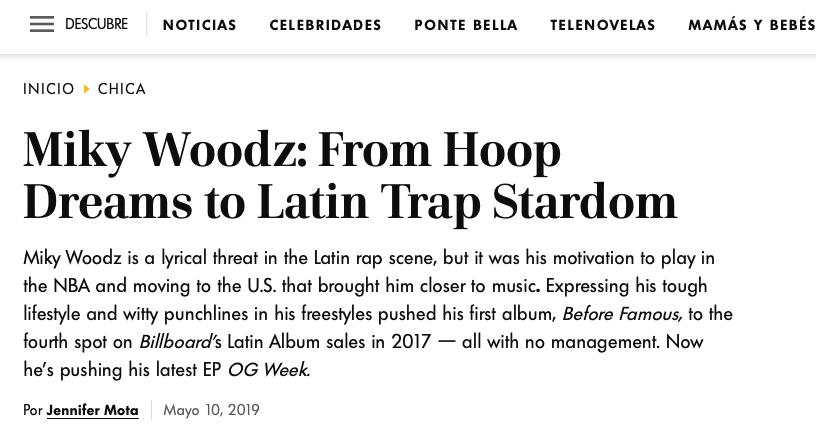
Even as a sportsman, he’s loved music and admired rappers his whole life — something he understood when getting ready for big games. “I’ve always loved music, I’ve always been a fan of music, but it was more as a fanatic and as an athlete. Athletes are always listening to music before games and I’ve always been that way.”
While in the States, outside of class and practice, he made American and Dominican friends and learned about music. The days he was bored, he would lock himself in his small room and watch Meek Mill and Wiz Khalifa videos. “They were the two artists that inspired me to become an artist,” he said. It was in the tight space of his room that he composed his first song. READ MORE – FOR PEOPLE CHICA, 2019
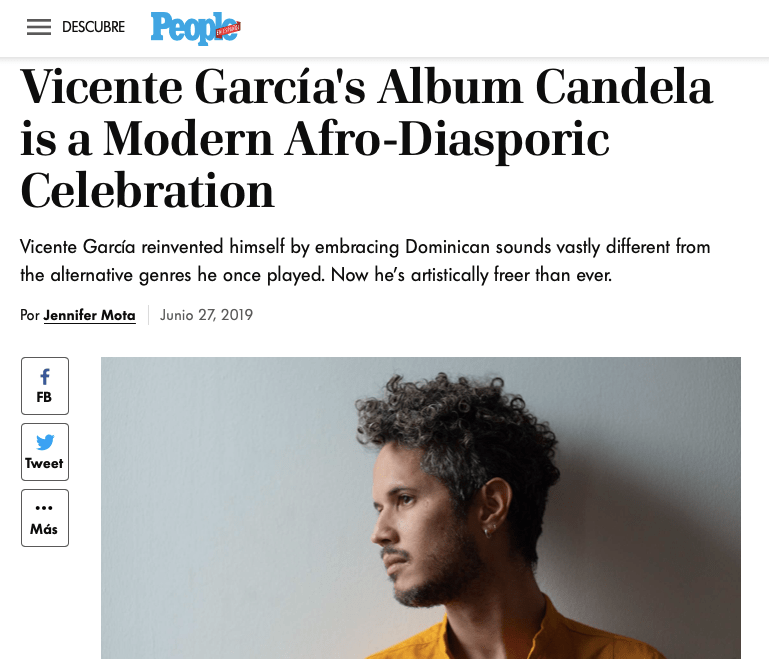
When Vicente García dropped his new album Candela this past May, listeners were treated to an idyllic experience. Loaded with modern 808 trap beats infused with bachata and merengue, Candela offers a modern take on Dominican-rooted sounds, and completes the trilogy that García began with 2011’s Melodrama and 2016’s A La Mar.
“I felt that I needed to work on a merengue,” the Dominican artist tells CHICA, referring to the album’s title track. “It’s a merengue that searches for the origins, that replaces a lot of elements with other instruments.” Since he worked with bachata and salsa on his other albums, García incorporated merengue on Candela in order to evoke the happiness evoked by one of the genres most associated with Dominicans. READ MORE – FOR PEOPLE CHICA, 2019

There’s a city that exists at the center of two Andean mountain hilltops in Colombia; flourishing as a global attraction and a vibrant music scene, the city of Medellin has become a musical phenomenon within the music industry.
Once marked by it’s dark past, the current narrative linked to the city is one of cultural fulfillment and embracement. The city birthed and raised many of the country’s biggest reggaetón stars, and its movement is continuously growing. Amid the reggaetón and trap community, there’s a saying: If DJ Pope doesn’t know your music, you’re not working hard enough. READ MORE – FOR REMEZCLA, 2020
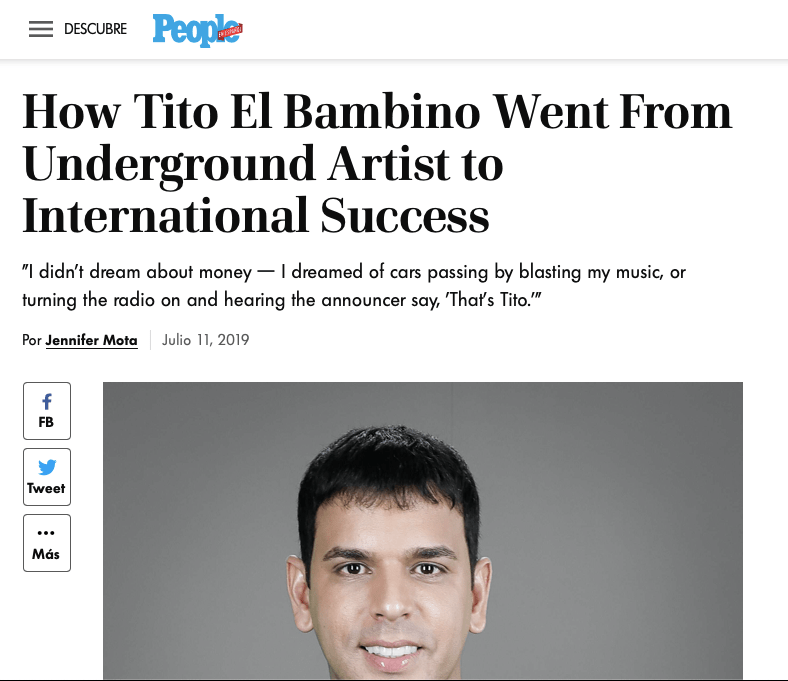
Before the melodic voices of Amenazzy and Ozuna were everywhere, Tito El Bambino’s sharp vocals were heard in songs like “Felina,” “Dejala Volar,” “and “Baila Morena,” all the way from reggaeton’s underground phase through the early 2000s crossover and beyond.
Born Efraín David Fines Nevares, Tito — nicknamed by his family when he was a child — started recording with local DJs in his hometown of Carolina, Puerto Rico as a preteen. “I come from the years of mixtapes,” he tells People CHICA. “When I first recorded, it would come out on cassettes. They would go for $5 and $10. It was very underground.” These recordings weren’t made at real studios, though — when the DJs’ parents weren’t home, Tito would record in the living room or any space available in the house. “Inside a bathroom was the place to record for you to sound great,” he explains. “It was underground, but to me it was a dream. I didn’t dream about money — I dreamed of cars passing by blasting my music, or turning the radio on and hearing the announcer say, ‘That’s Tito.’” READ MORE – FOR People CHICA, 2019
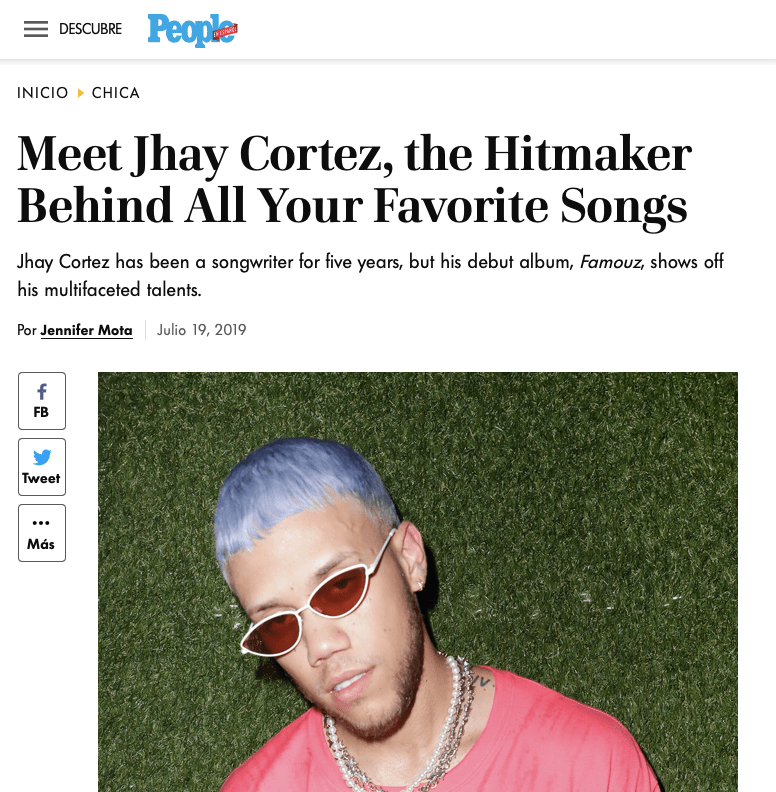
Cortez learned English in second grade when he moved to Camden, New Jersey, where he became an avid Eminem fan. When he moved back to Puerto Rico — this time to Carolina, the mecca of reggaeton — he discovered the Mas Flow frenzy. “I remember walking from school and hearing the music in the cars,” he says of the compilation album by legendary producers Luny Tunes. “That’s how you knew an artist was hot. If you’re hot, you’re in all the cars in Puerto Rico.”
He affirms that his passion for music was passed down by his father and uncle. “My family loved music,” he says. “My uncle produced, so he knew the movement and knew all the artists. He would take me when I was really little to see them.” Dressed as a mini rapper, he was introduced to Don Omar, whom he grew to love and admire. READ MORE – FOR People CHICA, 2019

Latin alternative-psychedelic sounds paired with an insane drumline presence and you have Buscabulla’s latest video “Vámono.” The visuals showcase the festive soul of Puerto Rican carnivals. Directed by Claudia Calderon, and inspired by the band, comprised of Raquel Berrios and Luis Alfredo Del Valle, the video touches on coming back to the isla since living in New York for over a decade.
The boricua diasporic community and culture based in NYC had a major influence on the formation of Buscabulla, translated from the Puerto Rican phrase which means “troublemakers.” Berrios wore many hats as a designer, songwriter, Dj, music producer before meeting Del Valle, a multi-instrumentalist in a gathering. The two embarked on a partnership that flourished both musically and romantically. Together, they dropped their first EP, under the label and clothing brand Kitsuné, in 2014 — after winning a Guitar Center and Converse-sponsored contest, awarding them with studio time and services of producer Dev Hynes, also known by his artistic name Blood Orange. “Metele,” one of the songs from the EP scored a spot in the award-winning film Mala Mala. Just as their daughter Charlie turned three, the couple received a record deal with Ribbon Music/Domino. READ MORE – FOR HIP LATINA, 2019
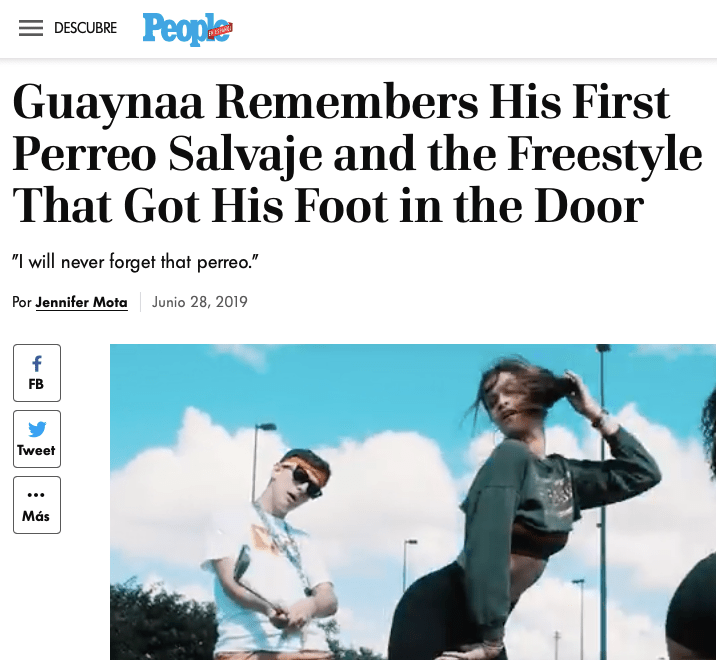
Rapping in a satirical style similar to the one heard on Vico C’s “Desahogo,” “María” drew attention to the struggles U.S. citizens were still facing on the island and called out politicians for their shoddy response to the natural disaster. “I did it in a way of protest, because damn, we were going through some hard times in Puerto Rico,” says Guaynaa. “I vented with a little humor, but it represented what all Puerto Ricans were thinking.” READ MORE – FOR PEOPLE CHICA, 2019

Cris Chil does not want to be looked at — she wants to be heard. When you’re part of an industry where women are marginalized and vastly outnumbered — 49 male producers for every one female producer, to be exact — that’s the precise attitude to have.
“This is a time when women are standing up,” the songwriter and producer tells People CHICA. “It’s our moment to shine and step up our game. We don’t need men leading the way, we can lead our own way. We need to support one another.” READ MORE – People CHICA, 2019
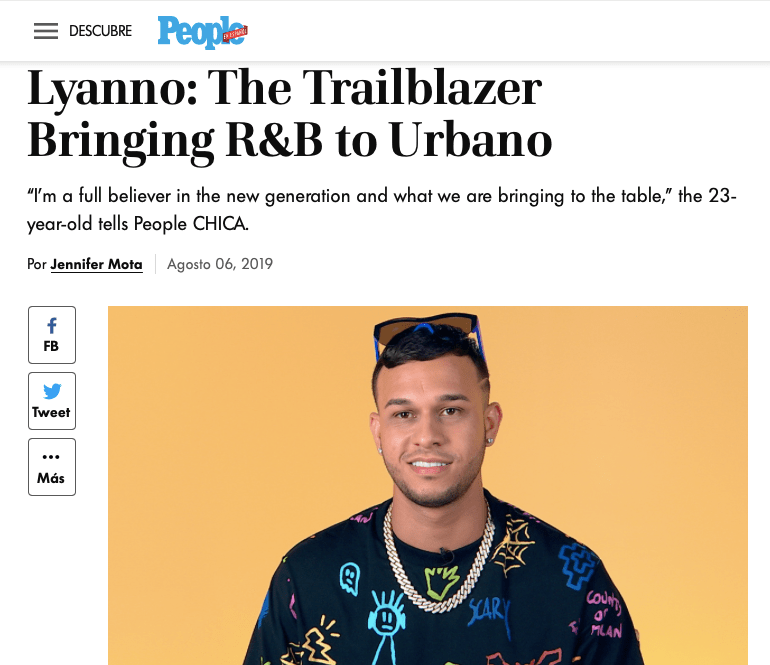
A new generation of artists is incorporating R&B sounds into urbano, and they’re not here for the bubbly lyrics heard in romantic ballads. They don’t want to be classified with those ballads, either, and artists like Rauw Alejandro, Alex Rose and Lyanno are making sure that doesn’t happen. “I think that [unity] is what has helped this generation the most,” Lyanno tells People CHICA. “We’ve never had that fear or bad vibes, [or looked] at one another as competition.” The three worked together for the “Toda” remix last spring, and Lyanno teamed up with Alejandro again for Ozuna’s “Luz Apaga.” “I’m a full believer in the new generation and what we are bringing to the table,” the 23-year-old says. “It’s refreshing, and even those established in the genre recognize that, and that’s something that’s important to us.” READ MORE – FOR People CHICA, 2019
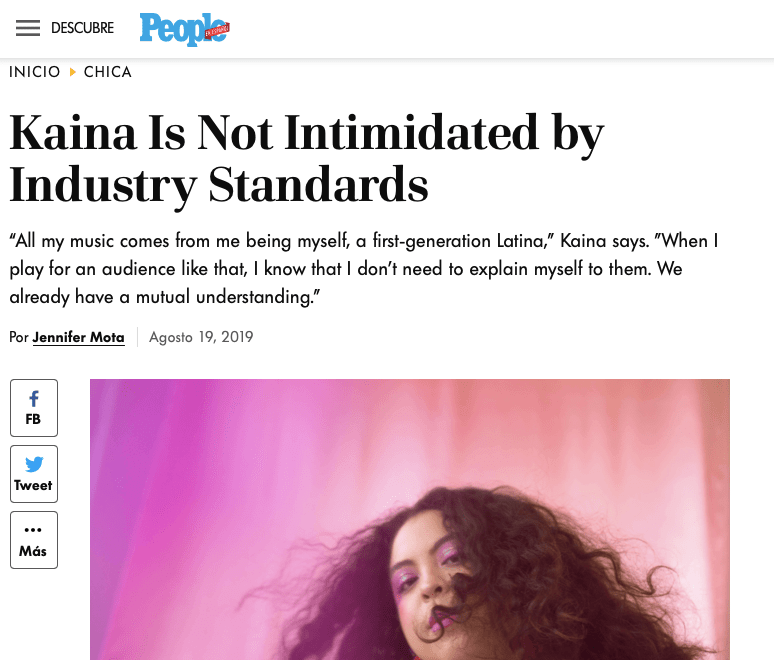
Kaina has learned to be unafraid to ask for what she wants, in a profession that’s not always kind to independent women. “I’m not intimidated by industry standards, ever,” she says. “That’s not to say that it’s not really hard being a musician, especially as a Latina and also not a skinny Latina — just putting out the album was difficult.” Still, she’s willing to take matters into her own hands when it’s necessary, as she did once when trying to score an opening slot at a Kali Uchis concert. “I hit up the promoters and I was like, ‘Yo, I’m Venezuelan, she’s Colombian. This bill makes sense. Can I open?’” She then took her request to Twitter, where it went viral with help from Chicago artists like Chance the Rapper, and a couple of days later she received a message notifying her that she’d be opening. READ MORE – FOR People CHICA, 2019
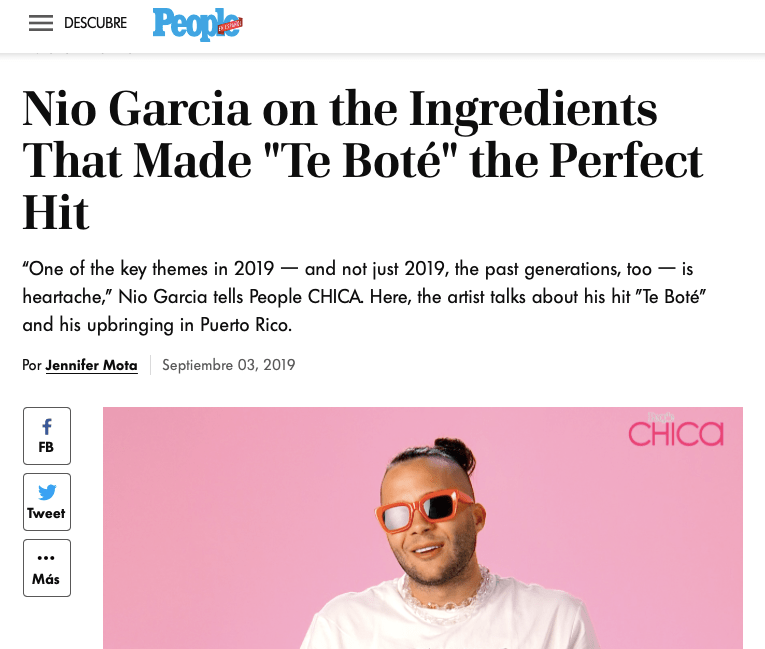
“It was like stunting, finessing. Like, ‘Let’s hit the streets with the system, so-and-so dropped a new song and it’s really good,’” he says. Like his peers, he dreamed of driving through his hood in his own car with a sound system, but he never imagined that one day he would hear his own music blasting out of windows. His hit ”Te Boté” with Casper Magico and Darell first appeared almost two years ago in the aftermath of Hurricane Maria and placed him on the map, and gained even more traction after Ozuna, Bad Bunny and Nicky Jam joined the 7-minute remix that debuted in April 2018. The remix spent 13 weeks holding the top spot on the Billboard Hot Latin Songs chart, and peaked at 36 on the Hot 100. READ MORE – FOR People CHICA, 2019
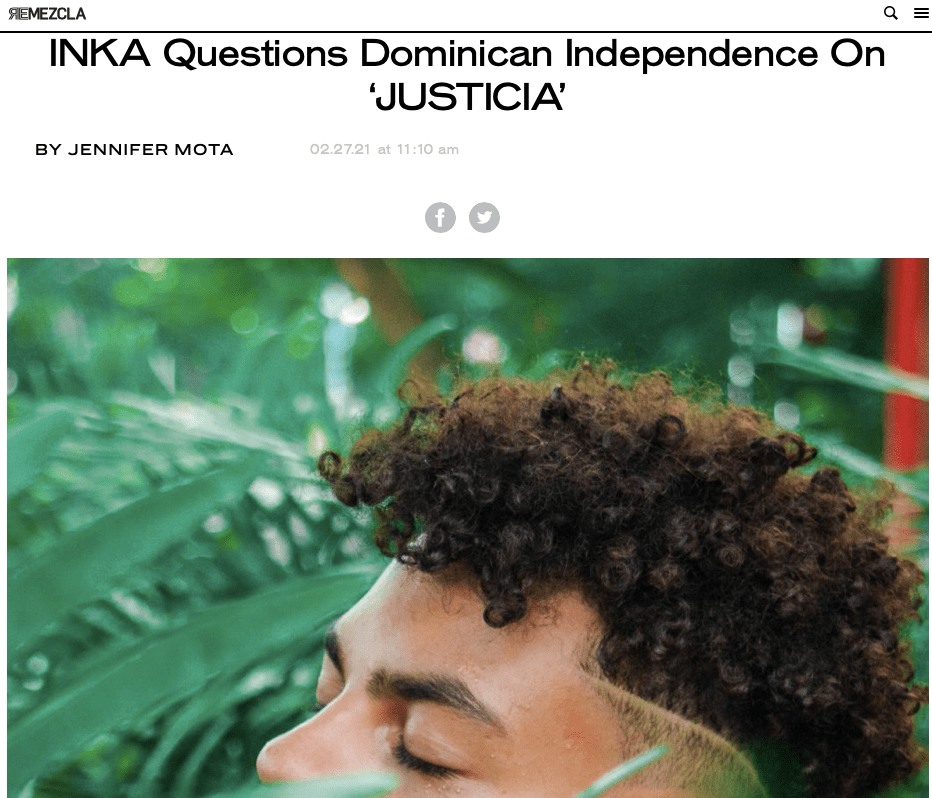
Dominican Independence Day has become a topic of conversation that intensifies every year as citizens actively think about the history that is claimed and the erasure of Black contributions to the country within that. Rapper Albreydy Alberto Holguin Roque, known artistically asINKA, has a few questions and statements to make on “JUSTICIA,” a track released today both in celebration, and in question of, Dominican Independence Day.
“JUSTICIA” honors the Dominican people who have fought for common good. The concept was thought of by the Santo Domingo-native while on a bus ride one day. READ MORE – FOR REMEZCLA, 2021
LISTICLES AND ROUNDUPS




Heidy Brown, Milka La Mas Dura and Tomasa del Real are just a few active urbano artists that should be receiving more media attention. The representation of women in the genre doesn’t end with international-reigning darlings are Karol G, Natti Natasha and Becky G — here are a bunch!
 I CREATE.